
Send too many emails and 27% of subscribers hit unsubscribe. Send too few and customers forget you exist entirely. So what's the real sweet spot for your local business newsletter. Weekly, monthly, or something else?
Key Takeaways
Most local business newsletters land somewhere between a weekly and monthly schedule, with the right pace depending on content quality, industry, and audience preference
Sending too often can trigger subscriber fatigue and unsubscribes, while sending too rarely means customers forget about the business entirely
Weekday, mid-afternoon sends generally perform best
Tracking open rates, click-through rates, and unsubscribe rates over time is the clearest way to find the right frequency for any specific audience
A managed newsletter service can keep sends consistent even when a business owner's schedule gets unpredictable
Local business owners ask this question more than almost any other regarding email marketing: how often is enough, and how often is too much? There isn't a single universal answer, but there is a clear range worth understanding before settling on a plan.
The Range: Weekly To Monthly
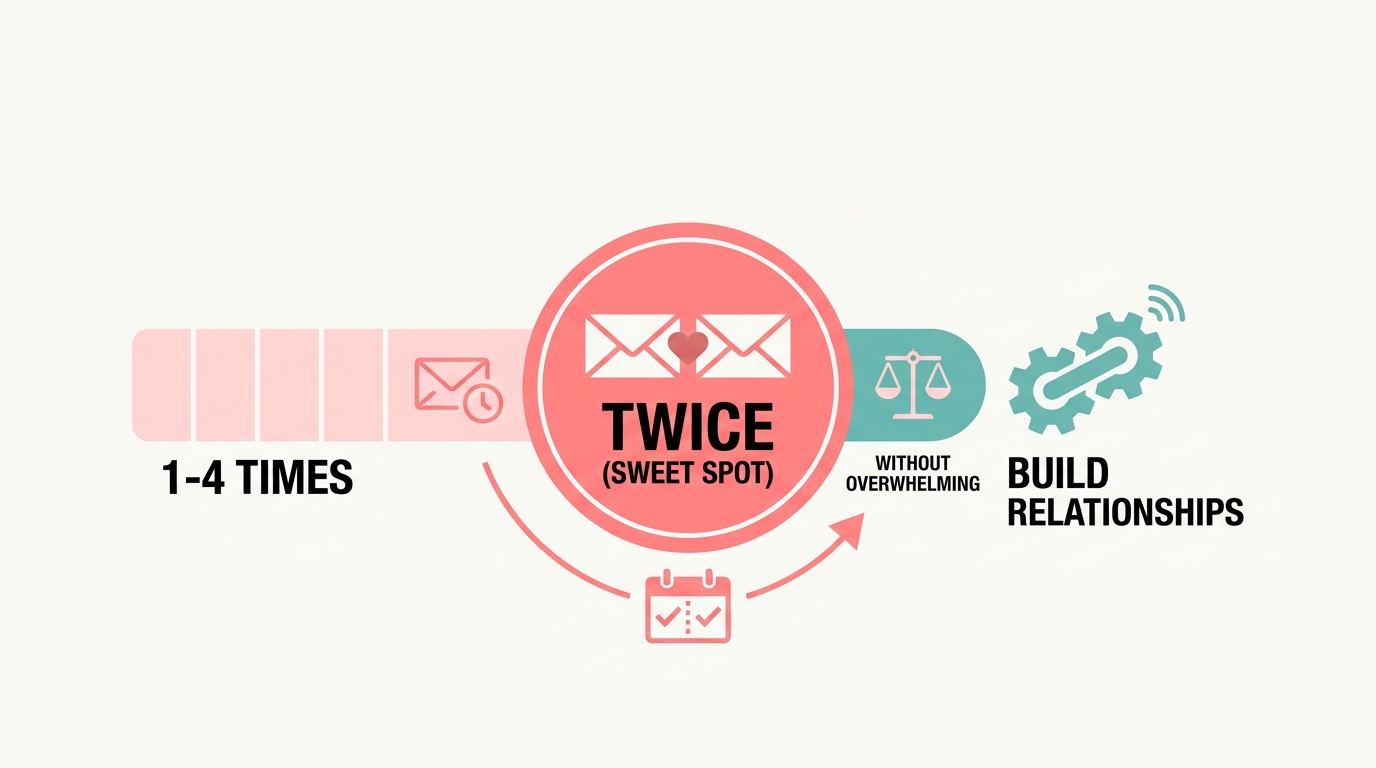
Most successful local business newsletters fall somewhere between once a week and once a month. Industry analysis suggests the sweet spot for many businesses lands between one and four emails per month, while other guidance points to sending no more than twice a week and no less than once a month. That gives business owners a practical boundary to work within rather than an open-ended guessing game.
Weekly sends tend to work well for businesses with frequent updates to share, like appointment reminders, flash promotions, or time-sensitive community news. Monthly sends suit businesses where deeper, more thoughtful content makes more sense, such as educational articles or seasonal roundups. Newsletters can be built on either schedule, with the pace customized to each business's audience and local community rather than applying a one-size-fits-all formula.
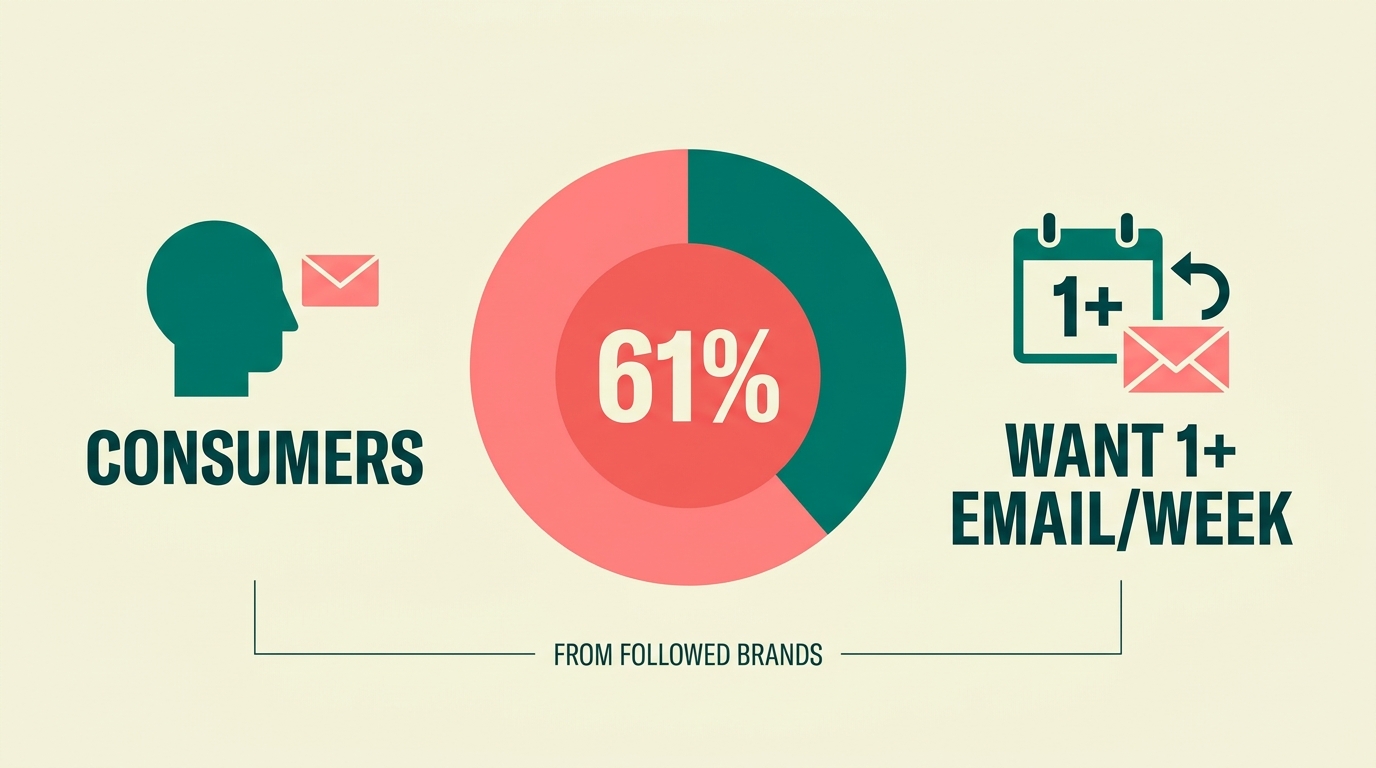
Consumer research adds another data point worth considering: a large share of people say they want to hear from brands they follow at least once a week. That doesn't mean every business must send weekly, but it does suggest that silence for long stretches works against a business rather than for it.
Why Too Many Emails Backfire
Flooding an inbox feels productive, but it often produces the opposite result. Subscribers who feel bombarded tend to tune out fast, and once that happens, even useful content stops getting read.
Subscriber Fatigue And Unsubscribes
Email fatigue is a real and measurable problem. Research shows that 27% of people unsubscribe from a brand specifically because it sends too many emails. That single number explains why so many local businesses see list sizes shrink after ramping up frequency without a content plan to match. Trust erodes quickly when every email starts to read like a sales pitch rather than something worth opening.
What Too Few Emails Cost You
The opposite mistake carries its own cost. When a business goes quiet for months at a time, subscribers simply forget it exists. That forgetting shows up later as missed renewals, missed repeat visits, and missed referrals, none of which show up on a spreadsheet as a clear line item. A monthly newsletter is often considered the floor, the minimum pace needed to avoid fading from a customer's memory between visits or purchases.
What Should Drive Your Schedule
Frequency decisions should never happen in a vacuum. The right pace for a dental practice looks different from the right pace for a catering company, and the deciding factors usually come down to two things: what's being said and who's reading it.
Content Quality Over Quantity
High-quality, genuinely useful content supports more frequent sending, while thin or repetitive content wears out its welcome fast. A business with a strong well of expert tips, seasonal promotions, and answers to common customer questions can sustain a weekly rhythm without feeling like spam. A business scraping together filler content every few days is usually better off pulling back to a monthly schedule and making that single email count.
Matching Frequency To Your Industry
Different service categories tend to gravitate toward different rhythms:
Salons, gyms, and clinics often do well with weekly emails, especially when those emails include appointment reminders, promotions, or fresh updates.
Professional service firms, such as law offices or accounting practices, frequently perform better with monthly educational newsletters that build authority over time.
Seasonal or event-driven businesses, like catering companies, may benefit from a flexible schedule that ramps up around busy seasons and tapers off during slower months.
Timing Tricks That Boost Opens
Frequency matters, but timing plays a supporting role that's easy to overlook. Day and time matter: weekdays generally outperform weekends, and some data points to mid-afternoon as a strong window for catching readers at a moment when they're checking email but not yet buried in their inbox. None of this replaces a solid content strategy, but small adjustments to timing can meaningfully lift the numbers on an already-solid newsletter.
Testing And Tracking What Works
No formula fits every business perfectly, which is why testing matters more than following a generic rulebook. The only reliable way to know if a schedule is working is to watch how subscribers actually respond to it.
Metrics That Reveal The Right Frequency
Three numbers tell most of the story: open rates, click-through rates, and unsubscribe rates. A steady or climbing open rate suggests the current pace is welcome. A rising unsubscribe rate, on the other hand, is usually the clearest signal that a schedule needs to slow down. For context, average open rates for email marketing across industries range between 30.22% and 42.35% in 2025-2026, though this varies by industry and campaign type, so it works best as a rough benchmark rather than a strict target. Testing different send days or frequencies over a few months can reveal patterns that guesswork never would.
Letting A Managed Service Handle Consistency
Testing and tracking take time that many local business owners simply don't have between running day-to-day operations. This is where a managed approach can make a real difference. MomentumPilot Agency handles newsletter writing, design, hosting, delivery, and subscriber list management on either a monthly or weekly schedule, which means the consistency piece gets handled even when a business owner's calendar is packed. That kind of steady cadence, built around expert tips, seasonal promotions, local events, and answers to common customer questions, keeps a business visible between purchases and appointments without demanding constant attention from the owner.
Consistency Beats A Perfect Schedule
Chasing the mathematically perfect send frequency matters less than simply showing up on a schedule subscribers can count on. A newsletter that arrives reliably, whether weekly or monthly, builds trust and trains readers to expect and open it. One that arrives erratically struggles to build that same habit, no matter how good the content is or how well-timed any single email might be.
The real takeaway: pick a pace that matches the business and its audience, fill it with content worth reading, and stick with it long enough to see what the engagement numbers say. For businesses ready to put that consistency on autopilot, done-for-you newsletter services are a practical next step toward staying top of mind without adding another task to an already full plate.