Your customers delete most business newsletters within seconds. One subject-line mistake and a single content ratio could be why yours gets ignored too. See the simple rule that separates opened emails from deleted ones.
Key Takeaways
Newsletter content earns opens when it solves a real problem for the reader instead of pushing a sale, which is why the 90/10 rule for balancing helpful and promotional content matters so much, with 90% of content delivering value and only 10% promoting
Short, personal subject lines without spam triggers or all-caps text tend to get clicked far more often than generic blasts
Segmenting a contact list and personalizing more than the subject line can meaningfully improve engagement and deliverability
Open rates, click-through rates, and click-to-open rate together tell a fuller story than open rates alone, and the article breaks down what each one actually signals
Done-for-you newsletter support from MomentumPilot Agency can take the writing, design, and list management off a busy owner's plate while keeping communication consistent
A newsletter sitting unread in an inbox does nothing for a local business. Getting it opened, read, and acted on takes a mix of smart subject lines, genuinely useful content, and a little bit of strategy behind the scenes. Here's what separates the newsletters customers actually look forward to from the ones that get deleted without a second glance.
Why Most Newsletters Go Unopened
Most local business newsletters fail for one simple reason: they talk about the business instead of talking to the customer. A newsletter packed with announcements about store hours, staff changes, or "big news" that only matters to the owner gives a subscriber no reason to click. Over time, that pattern trains readers to skip right past the sender's name.
Inboxes are crowded, and attention is scarce. A subscriber scanning dozens of unread messages makes a split-second decision based on who sent it, what the subject line promises, and whether past emails from that sender were worth the time. If a business has a history of sending only promotions, the next email gets treated the same way: ignored.
The fix starts with a mindset shift. Newsletters built around lead nurturing and relationship building, rather than constant self-promotion, tend to be the ones that keep earning attention. MomentumPilot Agency builds each newsletter around what a business's specific audience actually wants to read rather than treating every edition as another sales pitch.
What Makes Subject Lines Get Clicked
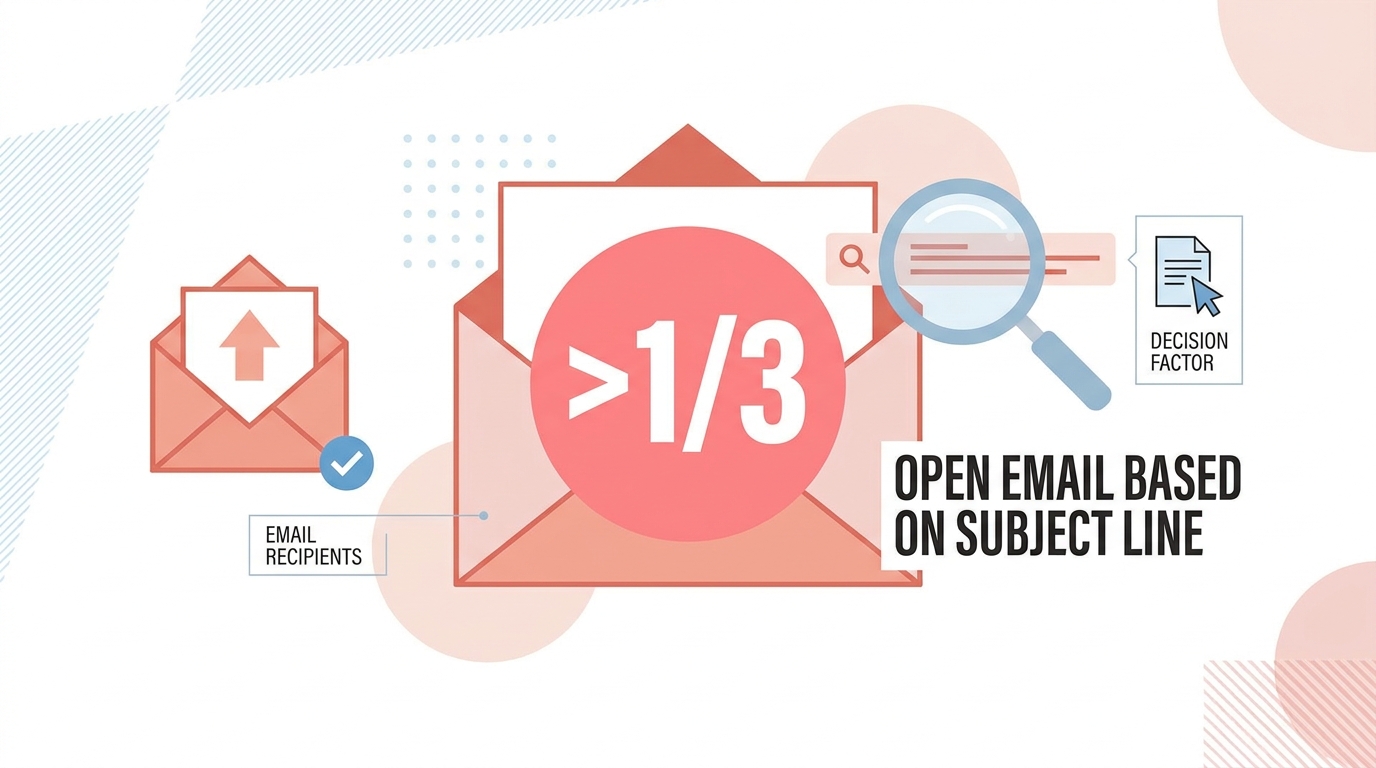
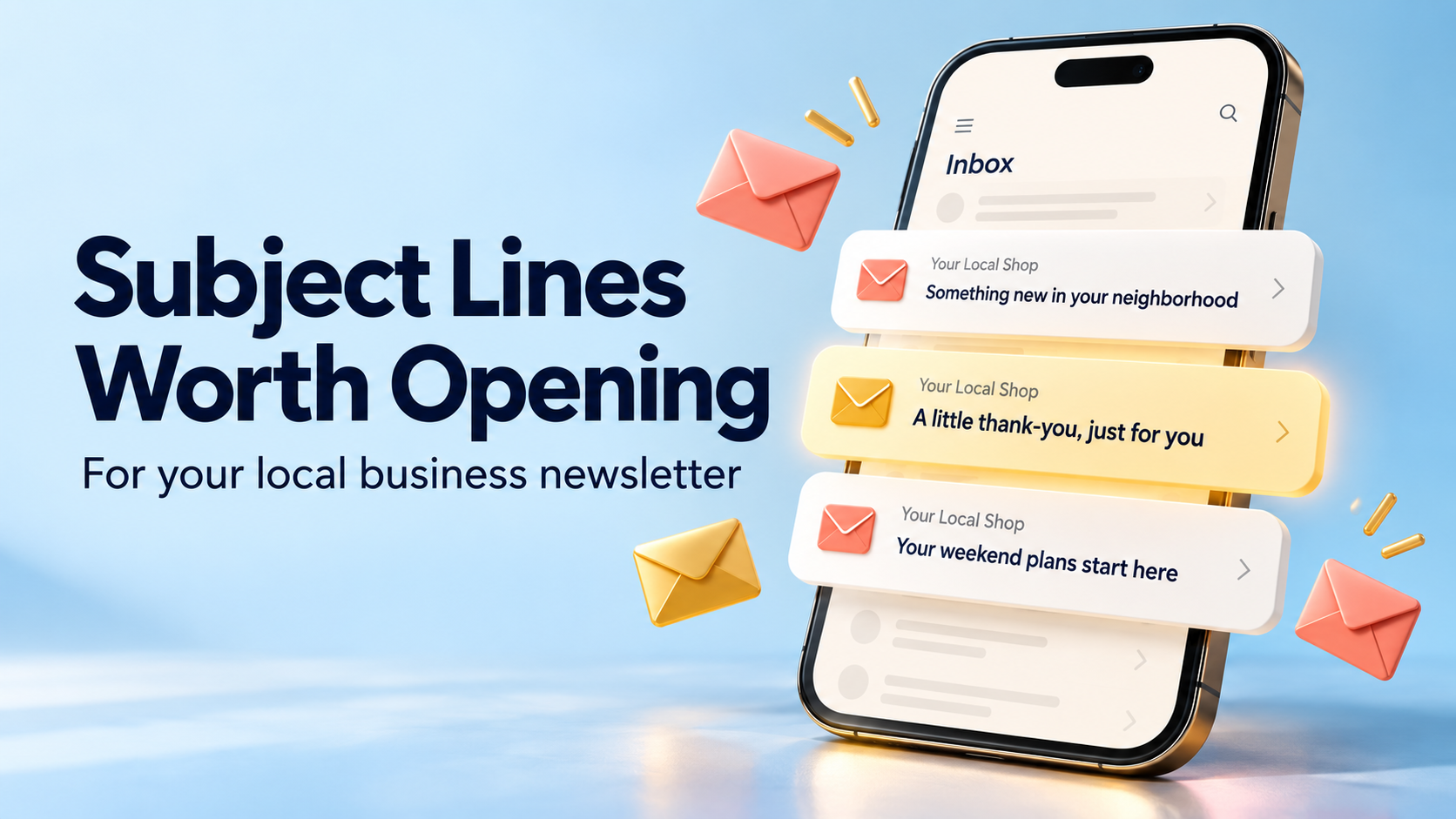
A subject line has one job: convince someone to open the email in the next second or two. Everything else in the newsletter depends on clearing that first hurdle.
Keep It Short and Personal
Shorter subject lines tend to outperform longer ones, with many marketers pointing to roughly 50 characters as a practical ceiling before messages get cut off on phones. A subject line that asks a question, references a season, or includes the reader's name tends to feel more like a message from a familiar business and less like mass marketing. Personalized emails increase open rates by 26 percent, and personalized content helps increase transaction rates and revenue. That single tweak, adding a first name or referencing a past purchase, can do more for engagement than almost any other change to a newsletter.
Avoid Spam Triggers and ALL CAPS
Certain words and formatting choices push emails straight into spam folders before a subscriber ever sees them. Subject lines written in all caps, loaded with exclamation points, or packed with phrases like "free money" or "act now" trip spam filters at email providers and signal low-quality marketing to human readers too. A calmer, more conversational subject line builds trust instead of suspicion, and it keeps the email out of the folder nobody checks.
The 90/10 Rule For Content That Earns Trust
The 90/10 rule provides a simple guide for building a newsletter readers want to keep receiving: dedicate 90% of newsletter content to valuable, reader-centric material and only 10% to promotional material. A newsletter that flips that ratio, mostly promotion with a sprinkle of useful information, reads like an ad and gets treated like one.
Content Ideas Readers Actually Want
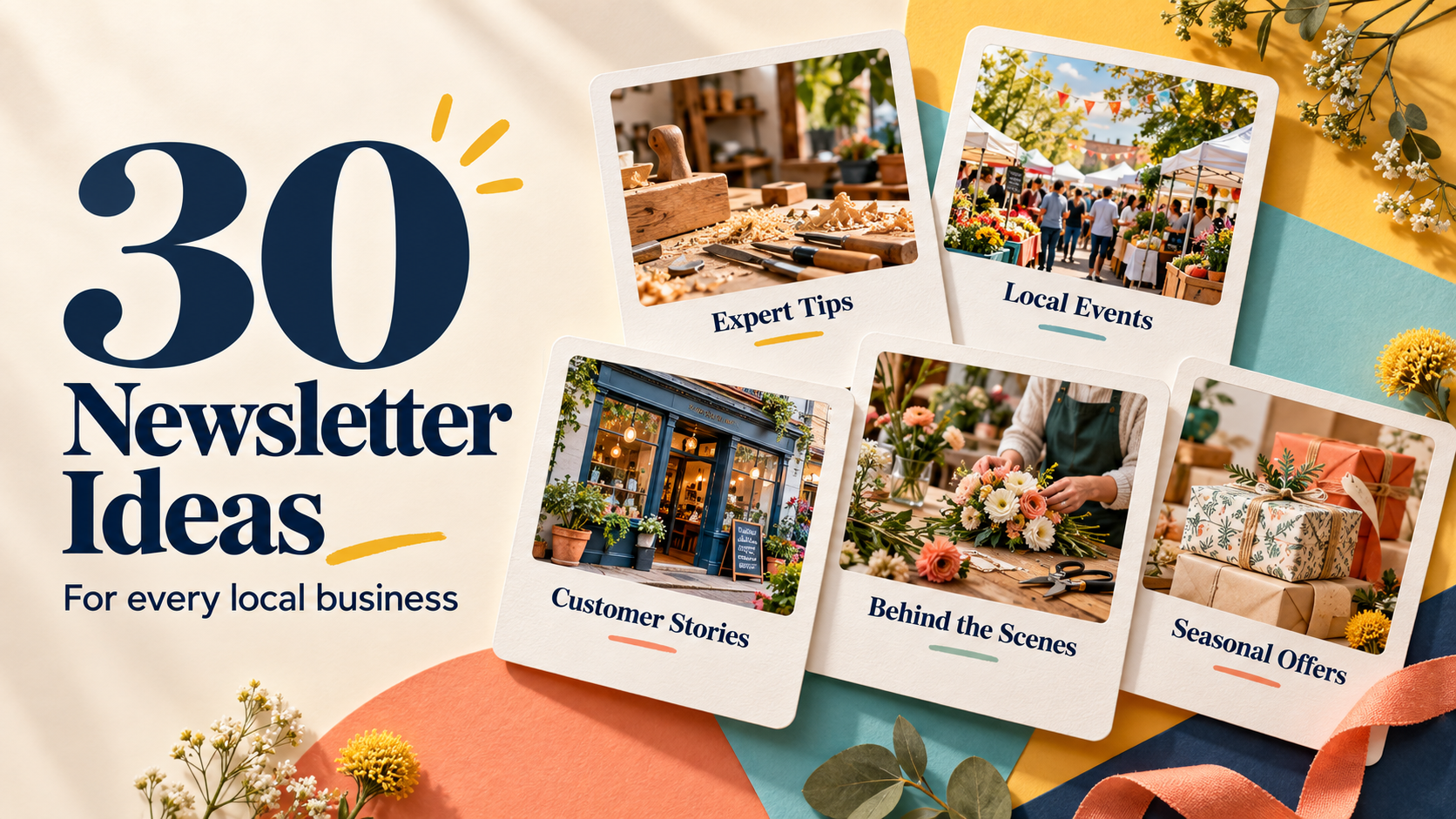
Readers stick around for content that answers a question they already have or teaches them something useful about the service they rely on. Strong options for a local business newsletter include:
Answers to frequently asked customer questions
Short profiles introducing team members by name
Customer success stories that highlight a real outcome
Step-by-step how-to guides related to the business's expertise
Updates on community involvement, local events, or sponsorships
Plain-language explanations of trends affecting the industry
Seasonal tips, local event highlights, and informative articles tied to a business's expertise give subscribers something worth opening month after month, which is exactly the kind of content mix a managed newsletter service typically builds into each edition.
Writing For Mobile and Skimmers
More than half of all emails get opened on a phone, which means a newsletter has to work on a small screen before it works anywhere else. Dense paragraphs that look fine on a desktop monitor turn into an intimidating wall of text on mobile. Breaking content into bullet points, short subheadings, and brief summaries lets a reader scan the email in a few seconds and still walk away with the main point. Bolding a key phrase or highlighting one standout sentence per section also helps busy skimmers catch the message even if they never read every word.
Segmentation and Personalization Boost Engagement
Sending the exact same newsletter to every single contact ignores the fact that not every customer wants the same information. Segmentation divides a contact list into smaller groups based on shared traits, such as past purchases, service history, or location, so each group receives content that actually applies to them. A homeowner who had a roof repaired last spring doesn't need the same message as a brand-new lead who hasn't booked anything yet.
Personalization can go well beyond a first name in the subject line. Salutations, images, recommended services, and even the links included in the body of the email can shift based on what a business already knows about a subscriber. That extra layer of relevance tends to show up directly in engagement and deliverability, since email providers notice when subscribers consistently open and interact with a sender's messages.
Ending With a Clear Call to Action
A newsletter that delivers great content but never tells the reader what to do next leaves value on the table. Every edition should close with one clear next step, whether that's booking an appointment, reading a related article, replying with a question, or forwarding the email to a friend who might need the service. A single, obvious call to action works better than three competing ones, since too many choices tend to produce no action at all.
Tracking What Actually Matters
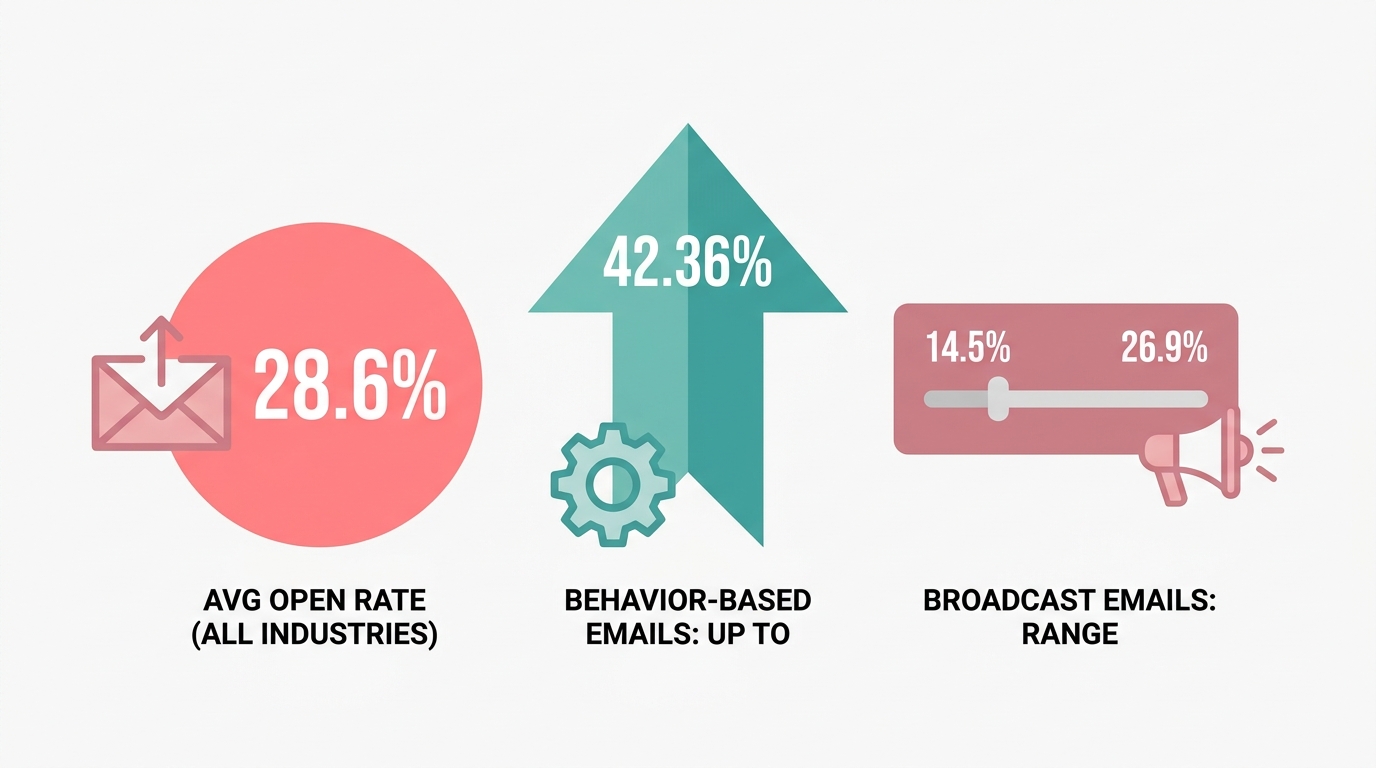
Sending a newsletter without checking the numbers behind it means flying blind. A handful of key metrics reveal whether the content is actually landing or quietly getting ignored.
Open Rates, Click-Through Rates, and CTOR
Open rate measures how many recipients opened the email at all, while click-through rate measures how many clicked a link inside it. A good open rate falls between 20% and 25%. Click-to-open rate, often shortened to CTOR, combines both numbers by measuring how many people who opened the email went on to click something, which makes it a useful gauge of whether the content itself, not just the subject line, is doing its job. The average click-to-open rate was 6.81% as of 2025. Watching engagement time and unsubscribe rates alongside these numbers rounds out a clearer picture of what's working.
Setting a Consistent Sending Schedule
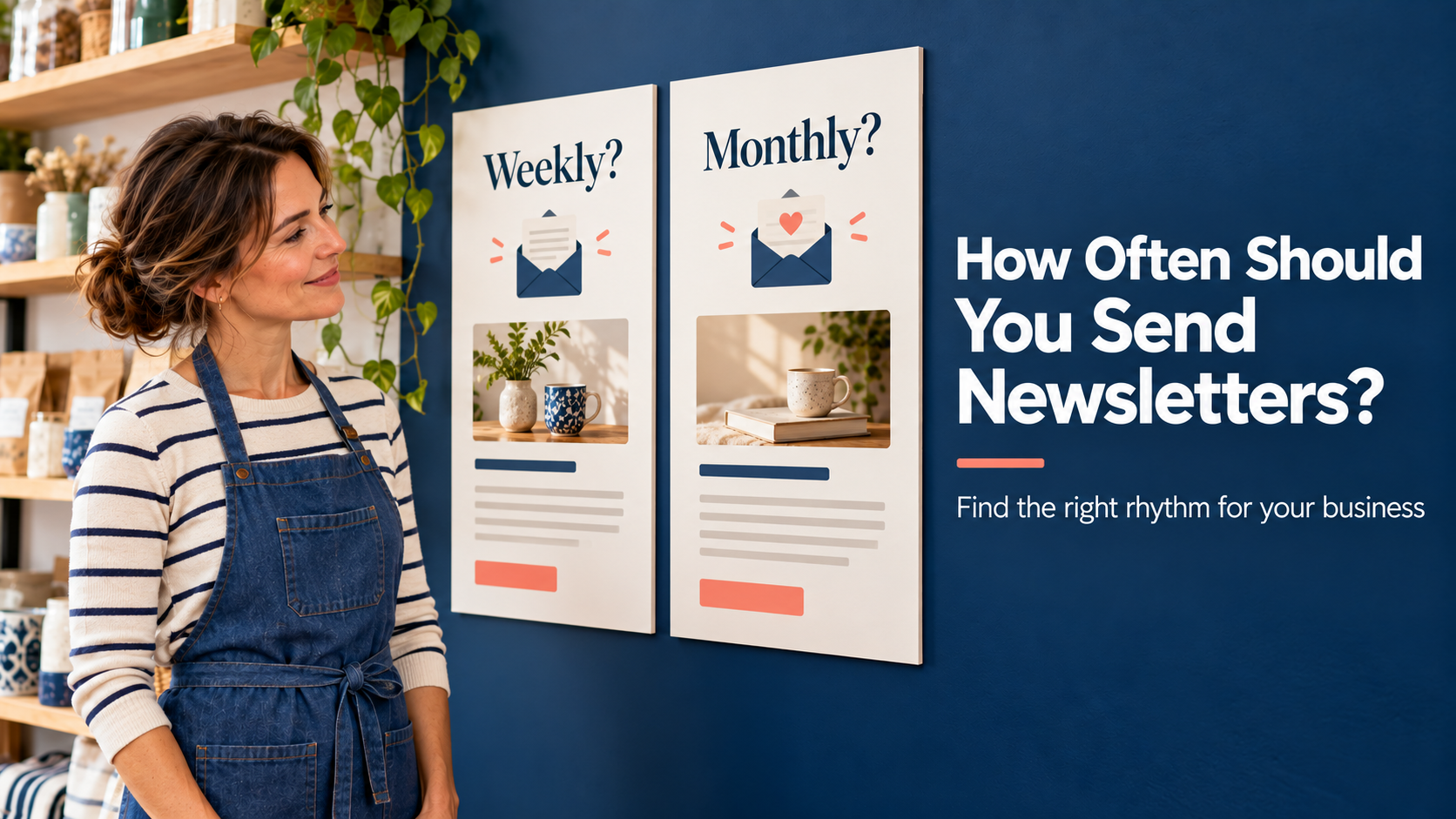
Consistency matters as much as content quality. A business that sends newsletters sporadically trains subscribers to forget it exists between emails, while one that sticks to a predictable schedule stays top of mind. Starting with a monthly send is a common recommendation for businesses still building out their content process, with a move to a more frequent schedule once the workload feels manageable. Readers tend to reward predictability: knowing roughly when the next edition will land makes them more likely to open it rather than scroll past.
Relevant Content Builds Lasting Customer Relationships
A newsletter built on genuinely useful, locally relevant content does more than fill an inbox. It keeps a business visible in the gap between purchases or appointments, reinforces expertise, and gives customers a reason to think of that business first the next time they need the service. A well-designed, consistently valuable newsletter also lends a layer of credibility that a business's other marketing may not carry on its own.
Email marketing averages a 3,500%-3,900% ROI, or $36-$40 for every $1 spent, which reflects just how much relationship-building happens through a well-run inbox strategy. For a local business owner without the time to write, design, and manage that process every month, a done-for-you newsletter service can handle the entire cycle, from writing and design to hosting, delivery, and subscriber list management, so the communication stays consistent without becoming another task on an already full plate.
Getting newsletters opened and read comes down to treating subscribers like people with real questions rather than inboxes to fill, and that approach pays off in trust long after the email gets closed. For an easy next step, consider working with a managed newsletter service that keeps the content consistent and the inbox relationship growing.
Comments
No comments yet. Be the first to share your thoughts!
Leave a comment
Comments are reviewed before they appear. Your email is never shown.